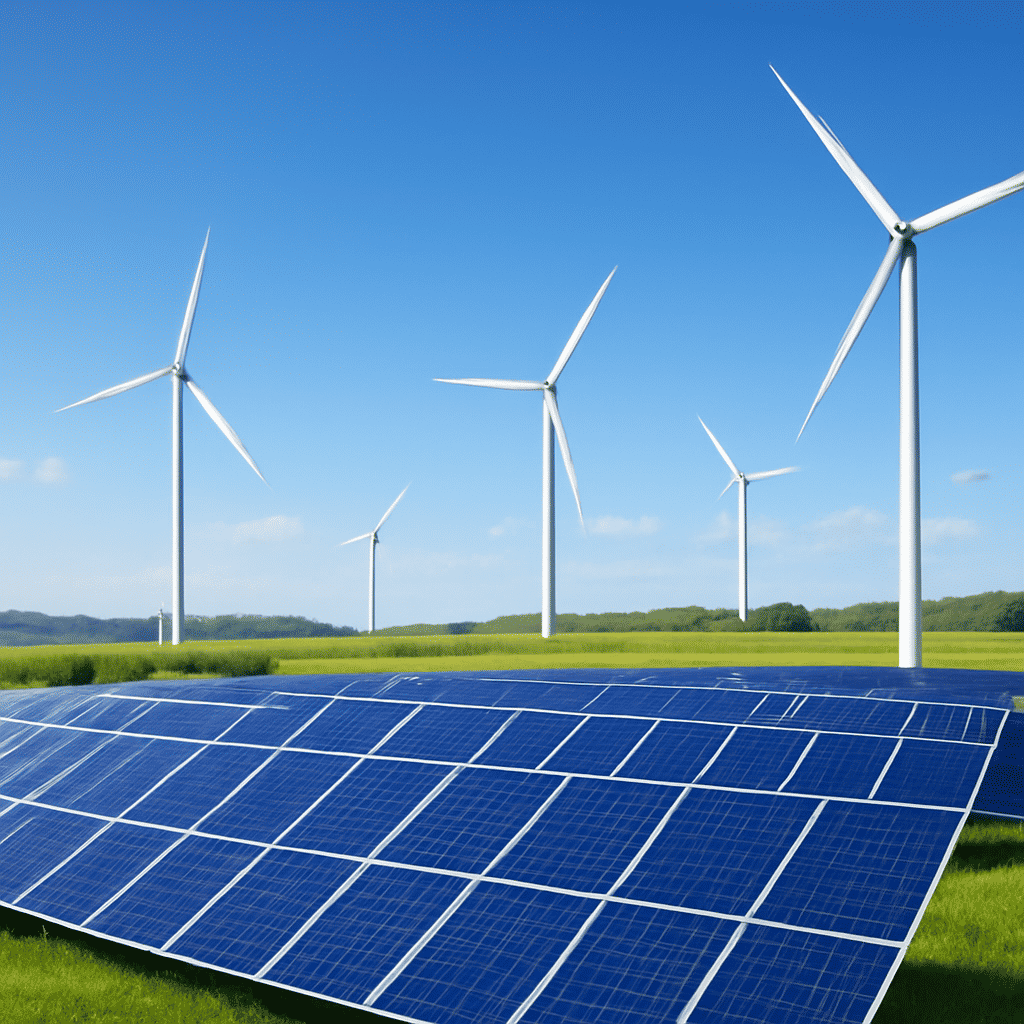
In recent years, the world has witnessed remarkable advancements in renewable energy technologies, propelling the global transition toward more sustainable energy systems. These breakthroughs are not only improving the efficiency and scalability of renewable energy sources but also playing an essential role in combating climate change and reducing dependency on fossil fuels. Let’s explore some of the latest innovations that are reshaping the landscape of renewable energy and driving sustainable global development.
One of the most significant advancements has emerged in the solar energy sector, particularly with the introduction of perovskite solar cells. Unlike traditional silicon-based solar cells, perovskite cells promise greater efficiency and lower production costs. Researchers have developed tandem solar cells combining perovskite and silicon layers, significantly boosting energy conversion efficiency beyond traditional limits. This hybrid approach is expected to make solar energy more accessible and affordable for widespread use.
Wind energy technology has also seen remarkable progress. The development of larger and more powerful offshore wind turbines is a testament to industry innovation. Recent designs feature turbines with blades extending over 100 meters, capable of generating up to 15 megawatts of power each. These giant turbines enable the harnessing of wind energy in deeper waters with stronger and more consistent wind patterns, significantly increasing the reliability and output of wind farms.
Energy storage technology is another area that has witnessed transformative innovations. Advanced battery solutions, such as solid-state batteries, are set to revolutionize energy storage by offering greater energy density, longer lifespan, and improved safety. These batteries play a crucial role in stabilizing renewable energy sources by storing excess energy generated during peak production periods and releasing it when demand is high or production is low. This enhances the reliability and flexibility of renewable energy systems.
Hydropower is undergoing a transformation with the development of low-impact and modular systems. New technologies focus on minimizing environmental impacts while maximizing energy output. Innovations like fish-friendly turbines and hydrokinetic systems harness energy from river and tidal currents without the need for large dams, preserving aquatic ecosystems and biodiversity.
Moreover, bioenergy is gaining momentum as an efficient and sustainable alternative to fossil fuels. Researchers are advancing the conversion of agricultural and industrial waste into biofuels through processes such as anaerobic digestion and algae cultivation. These biofuels are not only renewable but also help reduce waste and greenhouse gas emissions, contributing to a circular economy.
The integration of Artificial Intelligence (AI) and machine learning into renewable energy systems is optimizing their efficiency and effectiveness. AI is being used to forecast energy production patterns, manage energy distribution, and predict maintenance needs. This integration enhances the ability to balance supply and demand, ultimately resulting in a more resilient and efficient energy grid.
These breakthroughs are undoubtedly driving the global move towards a cleaner, more sustainable energy future. However, to maintain momentum, policies and investments must continue to support research, development, and the adoption of innovative technologies. The world’s ability to mitigate the adverse effects of climate change and meet growing energy demands hinges on these continued efforts and collaborations.
As the landscape of renewable energy evolves, the promise of a sustainable future becomes increasingly attainable. Every step forward in technological advancement is a step closer to ensuring a healthier planet for future generations—making renewable energy an indispensable pillar in the pursuit of global sustainability.